The Ultimate Guide to Concrete Problems and Solutions
for Homeowners in Augusta, Georgia
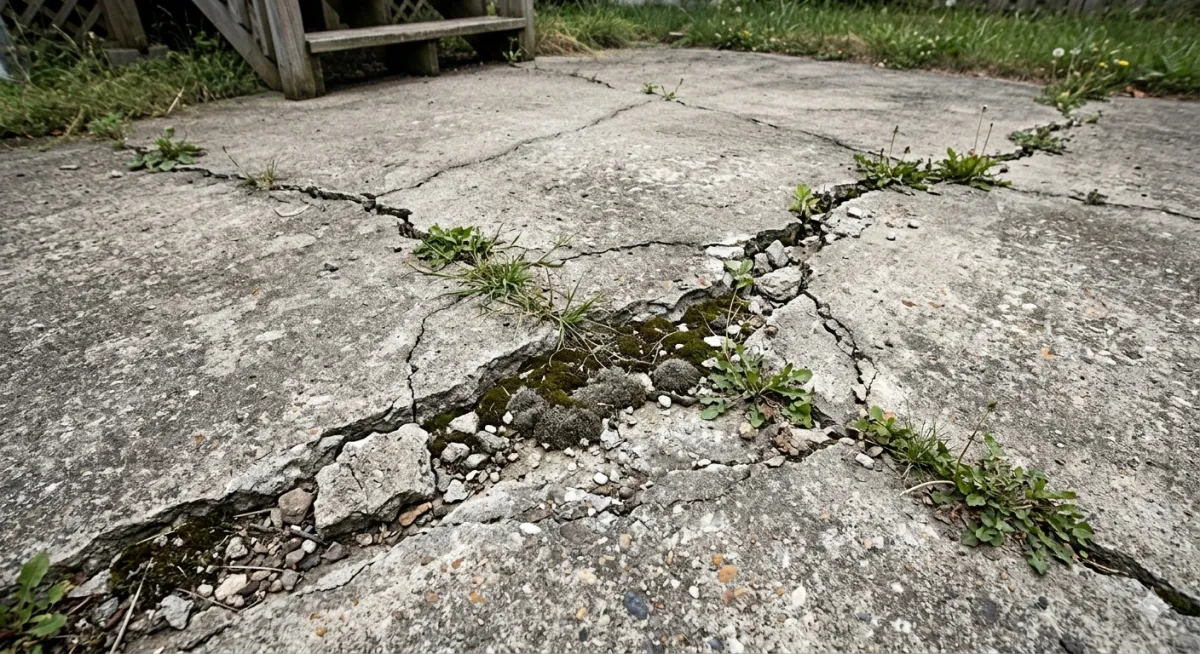
10 Simple Ways to Prevent Concrete Cracks in Augusta’s Soil and Weather Conditions
concrete crack repair Augusta
driveway sinking fix
foundation repair concrete
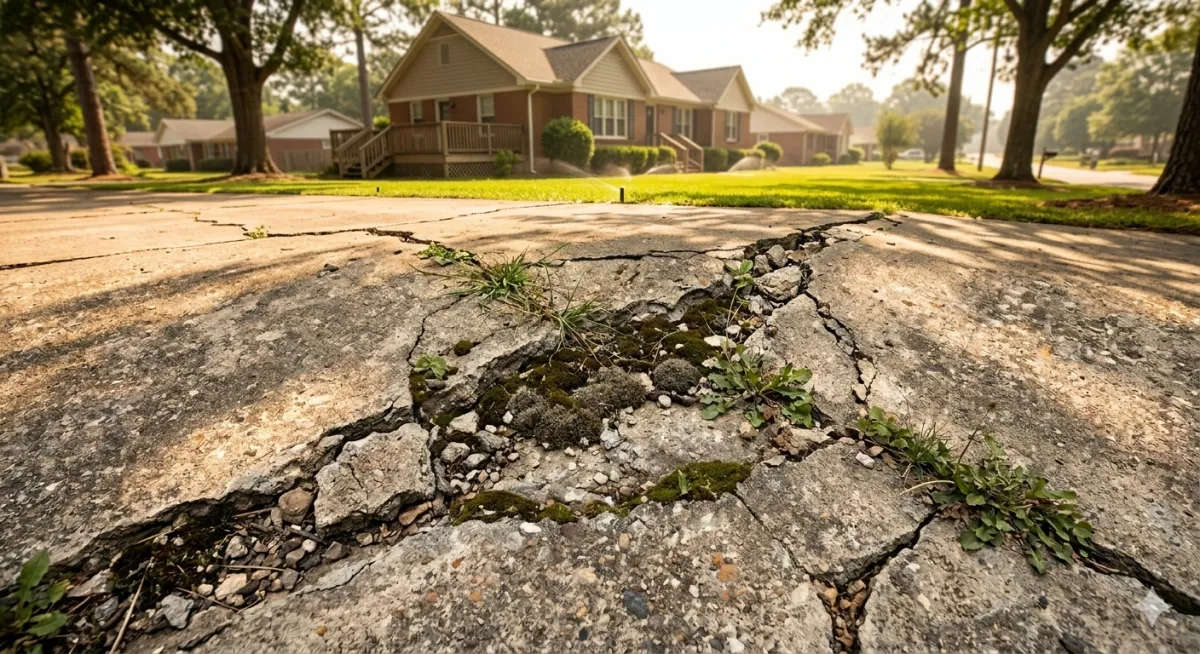
8 Reasons Your Concrete Is Cracking So Fast in Augusta, Georgia
Based on:
Poor workmanship
Cracking, uneven slabs
Cheap contractor issues
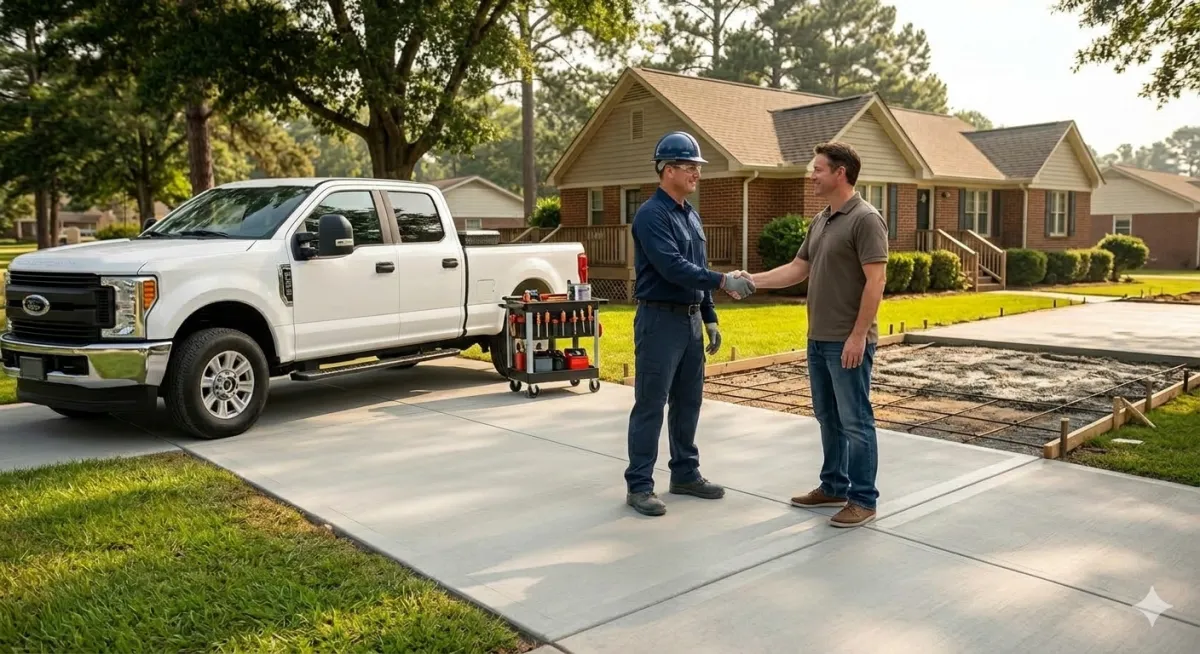
How to Find a Reliable Concrete Contractor in Augusta, Georgia (That Actually Shows Up)
👉 Based on:
Reddit complaints about ghosting
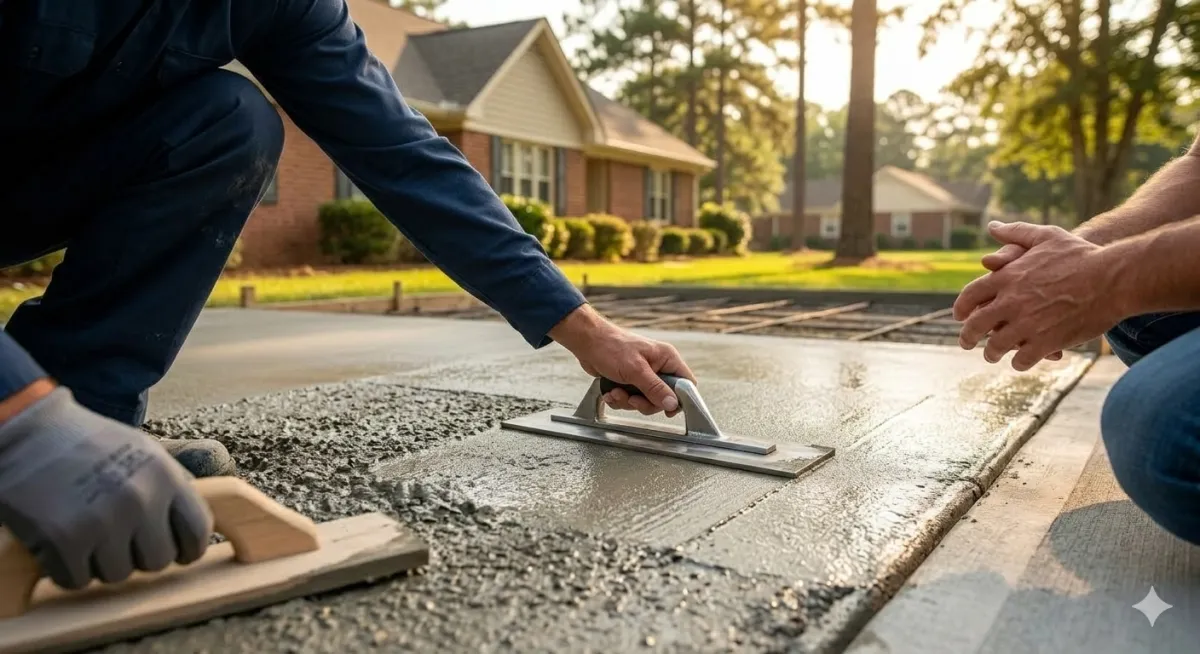
7 Proven Ways to Avoid Bad Concrete Work in Augusta, Georgia
how to find good concrete contractor
what to look for in concrete contractor
licensed and insured concrete Augusta
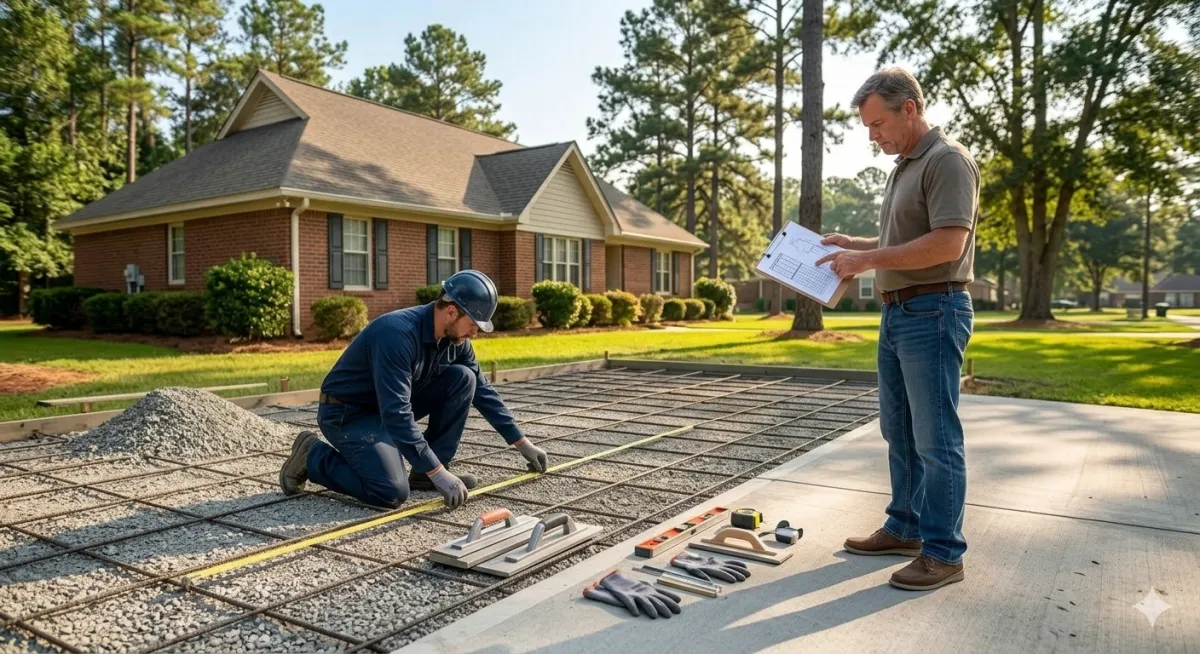
How Much Does Concrete Cost in Augusta, Georgia? (Real Numbers Homeowners Should Know)
Budget concerns
Comparing quotes
Avoiding getting overcharged
Common Concrete Problems in Augusta, Georgia Homes
Can Anyone Recommend a Good Contractor?”
Why Are Contractors Not Responding?
Is This Concrete Work Normal?”
How Do I Find Reliable Service Providers?”
Who Actually Shows Up and Does the Job?”
Who can I TRUST?”
Why are contractors unreliable?
Is my concrete job done wrong?
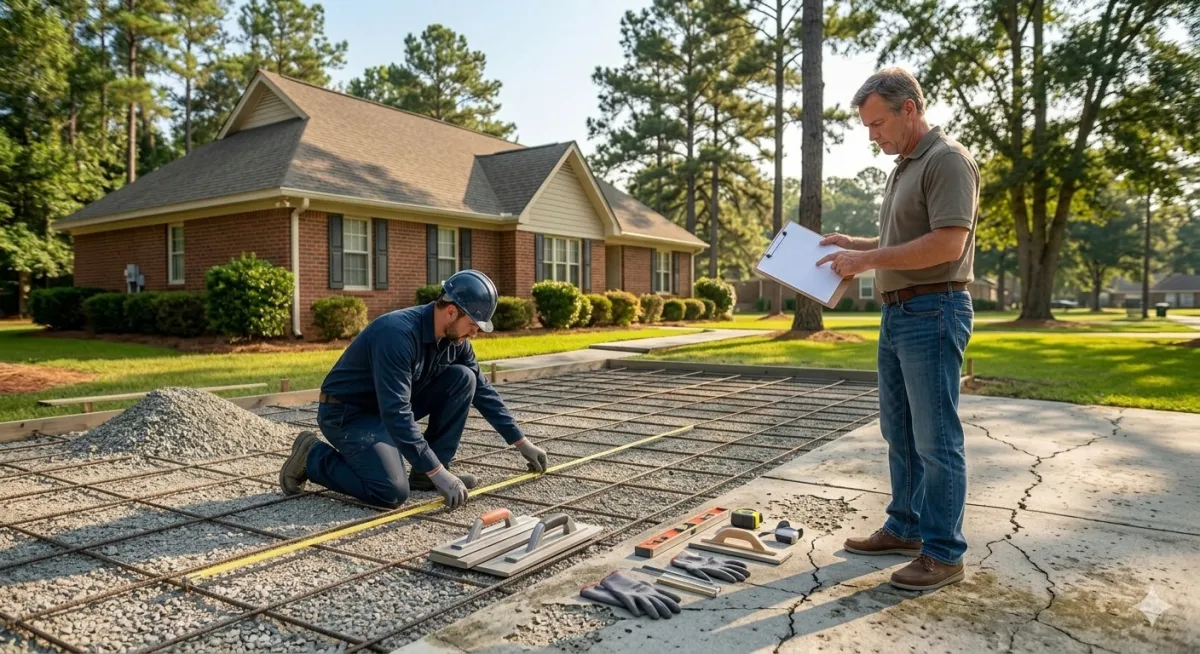
How to Find a Reliable Concrete Contractor in Augusta, Georgia (That Actually Shows Up)
If you’ve ever tried hiring a contractor in Augusta, you probably already know the frustration. You call a few numbers, maybe send out a couple of quote requests… and then nothing. No callbacks. No show-ups. Or worse, someone shows up, gives you a low price, starts the job—and disappears halfway through. This isn’t just bad luck. It’s something a lot of homeowners in Augusta are quietly dealing with, and you’ll see it come up again and again in forums, reviews, and even casual conversations with neighbors. So the real question isn’t just “how do I find a concrete contractor?”
It’s: how do you find one that actually shows up, does the job right, and doesn’t leave you with regrets?
Let’s break it down in a real, practical way.
Why This Is Such a Common Problem in Augusta
Before getting into solutions, it helps to understand why this keeps happening locally.
Augusta has a mix of factors that make concrete work a bit tricky:
Clay-heavy soil that expands and shifts with moisture
Hot summers that can cause concrete to cure too fast
Sudden rain that can ruin poorly planned pours
Before getting into solutions, it helps to understand why this keeps happening locally.
Augusta has a mix of factors that make concrete work a bit tricky:
1. Start With How They Communicate (Not Just What They Say)
One of the simplest ways to filter contractors is also the most overlooked.
Pay attention to:
How fast they respond
Whether they answer your actual questions
If they show up when they say they will
It sounds basic, but this is where many issues begin. A contractor who is already hard to reach before the project even starts is very likely to be harder to reach once they have your deposit.
In Augusta, where missed appointments are a common complaint, this step alone can save you a lot of stress.
2. Don’t Be Fooled by the Lowest Price
It’s tempting. You get three quotes, and one is significantly cheaper. That one stands out immediately.
But here’s the pattern many homeowners end up realizing too late:
The cheaper quote often skips proper base preparation
Uses lower-quality materials
Or rushes the finishing process
In a place like Augusta, where soil movement is already a factor, skipping these steps can lead to cracks, sinking, or uneven surfaces within months. A fair price is normal. A too good to be true price usually is.
3. Ask About Their Process (This Reveals Everything)
Instead of asking “how much?”, try asking how they actually do the job.
A reliable contractor should be able to clearly explain:
How they prepare the ground before pouring
How thick the concrete will be
How they handle drainage and slope
What they do to prevent cracking
You don’t need to be an expert—you just need to listen for confidence and clarity.
If the answers are vague like “don’t worry, we got it,” that’s usually a red flag.
4. Look for Local Experience—Not Just Experience
There’s a difference. Someone might have years of experience, but not necessarily in Augusta conditions.
Local experience matters because:
Soil in Augusta behaves differently than in other regions
Moisture levels can affect curing
Drainage planning is critical for long-term durability
A contractor familiar with local conditions will naturally bring these things up without you needing to ask.
5. Check Real Feedback (Not Just Star Ratings)
Online reviews help—but don’t just look at the stars.
Look for patterns in what people are saying:
Did the contractor finish the job?
Were there delays or no-shows?
Did the concrete hold up over time?
You’ll often notice that the biggest complaints aren’t about the concrete itself—it’s about reliability. Not showing up, not responding, not finishing.
That’s exactly what you’re trying to avoid.
6. Make Sure the Scope Is Clear From the Start
A lot of problems happen because expectations weren’t clearly set.
Before anything begins, make sure you understand:
What’s included in the job
Timeline (start and finish)
Cleanup responsibilities
What happens if weather delays the project
Augusta weather can be unpredictable, especially with sudden rain. A good contractor will already have a plan for that.
7. Watch Out for Rushed Work
Concrete isn’t something that should be rushed.
If a contractor is:
Trying to squeeze your project in between others
Promising unusually fast completion
Or pushing to “just get it done today”
That can lead to problems like:
Weak curing
Surface cracks
Uneven finishes
In hot Augusta temperatures, timing matters even more. Proper curing can’t be skipped.
8. Trust Small Signals (They Add Up)
Sometimes it’s not one big red flag—it’s several small ones:
Showing up late without notice
Not answering follow-up questions
Avoiding details
Changing pricing without clear explanation
Individually, these might seem minor. But together, they usually point to a bigger issue.
Reliable contractors tend to be consistent in the small things.
A Realistic Way to Think About It
Finding a good concrete contractor in Augusta isn’t about luck—it’s about filtering properly. Most homeowners who end up with bad experiences didn’t necessarily choose the “wrong” person on purpose. They just didn’t have a clear way to evaluate them.
When you focus on:
Communication
Process
Local understanding
Consistency
You naturally avoid the majority of common problems
people talk about online.
Final Thought
In a place like Augusta, concrete work isn’t just about pouring and finishing—it’s about doing it right for the environment it’s in. And while there are definitely reliable contractors out there, the key is knowing how to spot them before the project begins. Because once the concrete is poured, fixing mistakes becomes a whole different—and often expensive—conversation.

7 Proven Ways to Avoid Bad Concrete
Work in Augusta, Georgia
If you talk to enough homeowners in Augusta, you’ll start to notice a pattern. The complaints aren’t always about finding a contractor—it’s what happens after the job is done. Driveways that start cracking within months. Patios that look uneven. Slabs that hold water instead of draining it away. And in many cases, the same thought comes up: “I wish I knew this before the concrete was poured.” Concrete work isn’t something you want to redo. Once it’s done wrong, fixing it can cost just as much—or more—than doing it right the first time. So instead of learning the hard way, here are 7 proven ways to avoid bad concrete work, based on real issues homeowners in Augusta actually face.
1. Don’t Skip the Ground Preparation (This Is Where Most Problems Start)
What you see on the surface isn’t the whole story. The real strength of concrete comes from what’s underneath.
In Augusta, the soil tends to expand and shift, especially with moisture changes. If the ground isn’t properly compacted and prepared:
Concrete can sink over time
Cracks can form early
Sections can become uneven
A proper contractor will:
Compact the soil
Add a solid base layer (like gravel)
Make sure everything is level before pouring
If this step feels rushed or skipped, problems are almost guaranteed later.
2. Be Careful With “Too Fast” Projects
It’s easy to get excited when a contractor says they can finish everything quickly. But with concrete, faster isn’t always better.
In Augusta’s heat, concrete already cures quickly. Rushing the process even more can lead to:
Weak surface strength
Premature cracking
Poor finishing
Good concrete work takes time—especially curing time. If a project feels like it’s being squeezed into a tight schedule, that’s something to pay attention to.
3. Make Sure Drainage Is Planned Properl
One of the most overlooked issues in Augusta is water drainage.
A driveway or patio might look fine at first, but after a heavy rain, you might notice:
Water pooling in certain areas
Runoff heading toward your home
Slippery or stained surfaces
That usually means the slope wasn’t planned correctly.
A reliable contractor will always think about:
Where water will flow
How to slope the surface properly
Preventing long-term water damage
Because over time, poor drainage can do more damage than you expect
4. Don’t Automatically Choose the Cheapest Quote
This is one of the most common mistakes—and one of the hardest to avoid.
When you compare quotes, the lowest price often stands out. But in many cases, that lower cost comes from cutting corners like:
Thinner concrete
Less reinforcement
Minimal base preparation
In a place like Augusta, where soil movement is already a factor, these shortcuts can quickly turn into visible damage.
A reasonable price is fine. But if one quote is significantly lower than the rest, it’s worth asking why.
5. Ask What They Do to Prevent Cracking
Concrete can crack—it’s a natural material. But how it cracks, and how soon, often depends on the work behind it.
To reduce cracking, contractors should:
Add control joints (planned crack lines)
Use the right mix for the environment
Allow proper curing time
If none of this is discussed, there’s a higher chance you’ll end up with random, uncontrolled cracks that don’t just affect appearance—they affect durability too.
6. Look at Their Previous Work (If Possible)
Photos are helpful, but real-world results tell a better story.
If you can, try to:
See completed projects in person
Ask how long ago the work was done
Check if surfaces are still holding up well
In Augusta, this matters because some issues—like sinking or cracking—don’t show up immediately. They appear months later.
Seeing older work gives you a clearer idea of what to expect over time.
7. Pay Attention to the Small Details Before the Job Starts
A lot of bad concrete work can be predicted before anything even begins.
Watch for things like:
Missed appointments
Vague answers to simple questions
Lack of clear planning
Changing details last minute
These might seem minor, but they often reflect how the project will be handled.
Reliable contractors tend to be consistent from the first conversation to the final result.
Why These Problems Keep Happening in Augusta?
It’s not just about bad contractors—though that’s part of it.
Augusta’s conditions make concrete work less forgiving:
Heat can speed up curing
Rain can interfere with pouring
Soil can shift underneath the slab
A Simple Way to Think About It
Avoiding bad concrete work isn’t about knowing everything—it’s about knowing what to look for.
If the process feels rushed, unclear, or inconsistent, there’s usually a reason.
But when a contractor:
Explains their process
Plans for local conditions
Takes time with preparation
You’re already in a much better position.

How Much Does Concrete Cost in Augusta, Georgia? (Real Numbers Homeowners Should Know)
One of the first questions homeowners ask before starting any concrete project is simple:
“How much is this actually going to cost me?”
And if you’ve already tried searching online, you’ve probably seen a wide range of answers. Some say one price, others say something completely different. It can feel confusing fast.
The truth is, concrete pricing in Augusta isn’t one fixed number. It depends on several factors—some obvious, some not so obvious.
But to make things clearer, let’s walk through realistic price ranges, what affects them, and what most homeowners don’t realize until it’s too late.
Average Concrete Cost in Augusta (Per Square Foot)
For most residential projects in Augusta, here’s a general idea:
Basic concrete slab: $6 – $10 per sq. ft.
Concrete driveway: $8 – $14 per sq. ft.
Concrete patio: $8 – $15 per sq. ft.
Stamped or decorative concrete: $12 – $20+ per sq. ft.
These numbers aren’t random—they reflect typical contractor pricing ranges you’ll see across quotes in the area.
So for a quick example:
A 400 sq. ft. patio could range from $3,200 to $6,000+
A 600 sq. ft. driveway might land between $5,000 to $8,500+
That’s a big range—and there’s a reason for that.
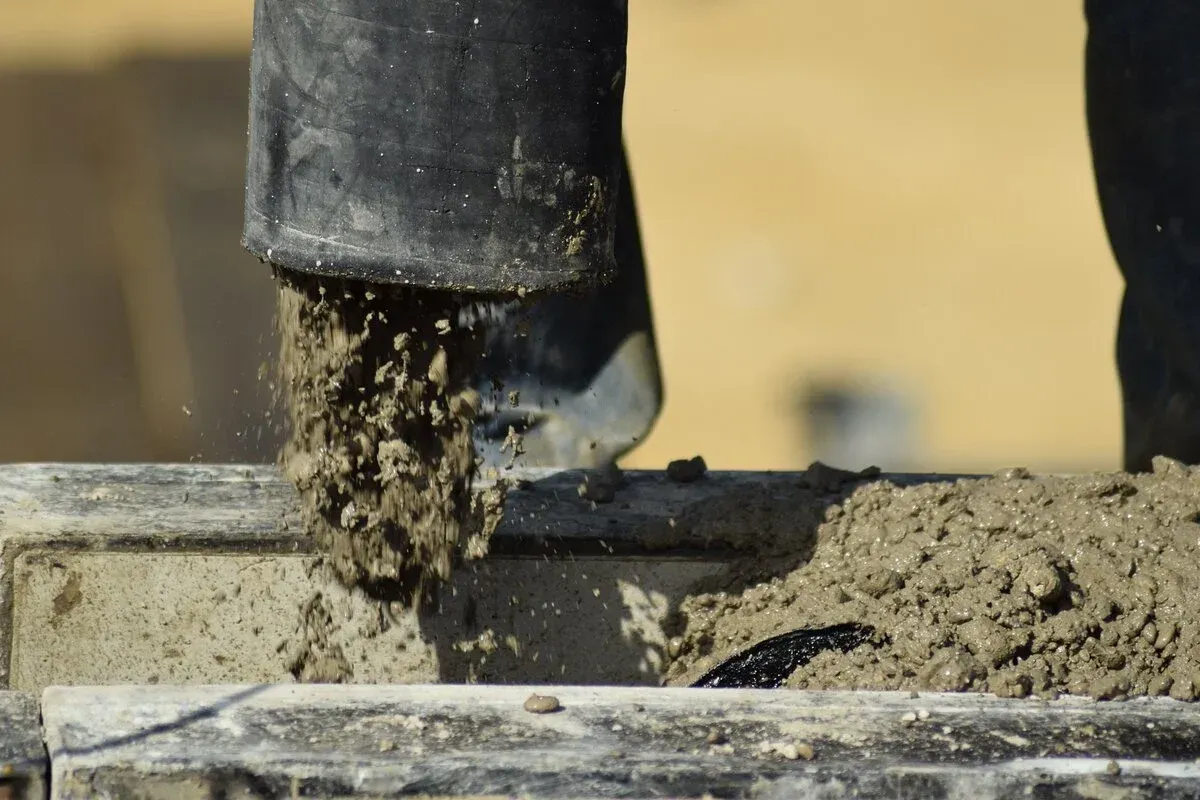
Why Prices Vary So Much?
Two homeowners in the same neighborhood can get completely different quotes for similar projects. That’s because pricing isn’t just about size—it’s about what goes into the job. Here are the biggest factors that affect cost in Augusta:
1. Ground Preparation (Often the Hidden Cost)
This is one of the biggest price differences—and one of the most important.
If your property has:
Soft or unstable soil
Drainage issues
Old concrete that needs removal
Then preparation work becomes more involved.
In Augusta, where soil tends to expand and shift with moisture, proper base preparation isn’t optional. It takes time, labor, and materials—which increases cost, but also helps prevent future problems like sinking or cracking.
2. Thickness and Reinforcement
Not all concrete is poured the same.
A standard residential slab might be 4 inches thick. But for driveways or areas that handle more weight, contractors may recommend:
Thicker pours
Reinforcement like rebar or wire mesh
That usually means the slope wasn’t planned correctly.
A reliable contractor will always think about:
Where water will flow
How to slope the surface properly
Preventing long-term water damage
These add to the cost, but they also add durability—especially important for long-term performance.
3. Type of Finish
This is where pricing can change quickly.
Basic broom finish: Most affordable
Smooth finish: Slightly higher
Stamped or decorative concrete: Significantly higher
Stamped concrete, for example, requires:
Extra labor
Specialized tools
More detailed finishing work
That’s why it often sits at the top of the price range.
4. Project Size and Layout
Larger areas don’t always mean a lower price per square foot.
If your project has:
Curves
Steps
Tight access areas
It may require more labor and time, which can increase the overall cost.
On the other hand, simple, open layouts are usually more straightforward and efficient to complete.
5. Timing and Weather Conditions
In Augusta, timing matters more than people think.
Hot temperatures can affect curing
Rain can delay or interrupt work
Busy seasons can drive up demand
When contractors are fully booked, pricing can reflect that. It’s not uncommon for quotes to vary depending on the time of year.

The “Too Cheap” Quote (What It Usually Means)
If you get multiple quotes and one is significantly lower, it’s worth taking
a closer look. Lower pricing often comes from cutting corners like:
Skipping proper base preparation
Using less material
Rushing the job
And while it might save money upfront, it can lead to:
Early cracking
Uneven surfaces
Repairs sooner than expected
This is one of the most common regrets homeowners share after the fact.

What Most Homeowners Don’t Factor In
When budgeting for concrete, many people focus only on the initial cost. But there are a few things that often get overlooked:
Removal of old concrete (if needed)
Drainage corrections
Long-term maintenance or repairs
In Augusta, drainage is especially important. If water isn’t managed properly, it can affect the lifespan of your concrete more than you’d expect.
The “Too Cheap” Quote (What It Usually Means)
If you get multiple quotes and one is significantly lower, it’s worth taking
a closer look. Lower pricing often comes from cutting corners like:
Skipping proper base preparation
Using less material
Rushing the job
And while it might save money upfront, it can lead to:
Early cracking
Uneven surfaces
Repairs sooner than expected
This is one of the most common regrets homeowners share after the fact.
What Most Homeowners Don’t Factor In
When budgeting for concrete, many people focus only on the initial cost. But there are a few things that often get overlooked:
Removal of old concrete (if needed)
Drainage corrections
Long-term maintenance or repairs
In Augusta, drainage is especially important. If water isn’t managed properly, it can affect the lifespan of your concrete more than you’d expect.
Final Thought
Most concrete problems don’t happen overnight. They start small—tiny cracks, slight unevenness, minor drainage issues—and gradually get worse. And by the time they’re obvious, fixing them becomes a bigger and more expensive task.
That’s why paying attention before the work begins makes all the difference.
Because in a place like Augusta, good concrete work isn’t just about how it looks on day one—it’s about how it holds up long after.


